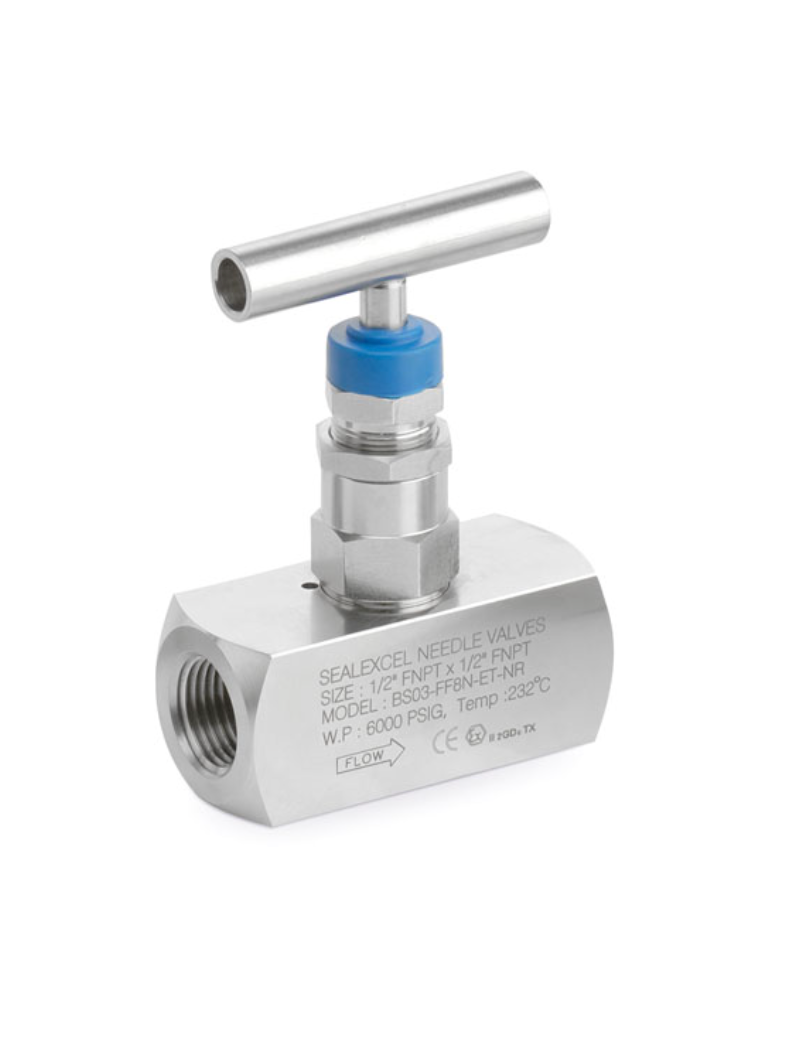
Modern industrial processes depend on accurate control of fluids and gases to operate safely and efficiently. Whether in chemical processing, oil and gas, pharmaceuticals, power generation or hydraulic systems, even small variations in flow can affect equipment performance, product quality and process stability. This is why instrumentation systems rely on components that are engineered for precision rather than simply allowing fluid to pass from one point to another.
Among these components, needle valves play an important role because they are designed to regulate flow with a high degree of accuracy. However, the performance of a needle valve is not determined by its basic function alone. It depends heavily on precision engineering, from the machining of individual components to material selection, sealing design and factory testing. Understanding how precision engineering contributes to better flow control helps explain why carefully manufactured instrumentation valves are essential in demanding industrial environments, especially from experienced needle valve manufacturers.
Precision Is Essential for Accurate Flow Regulation
Instrumentation systems are often used to monitor and control pressure, temperature and fluid movement. In these systems, flow must sometimes be adjusted in very small increments rather than simply being turned fully on or off.
Needle valves are designed specifically for this purpose. Their finely engineered internal stem allows operators to make gradual adjustments that regulate the amount of fluid or gas passing through the valve.
This level of control helps instrumentation systems respond more accurately while reducing unnecessary fluctuations within the process.
See also: Grading the Post-2026 GLP-1 Microdosing Field: A Trust Scorecard
Stem Design Plays a Major Role
One of the most important engineering features of a needle valve is its stem. The stem moves towards or away from the valve seat, controlling the opening through which fluid flows.
Precision machining of these components helps ensure accurate movement and consistent sealing. Even small manufacturing variations from needle valve manufacturers could affect how precisely the valve regulates flow, which is why dimensional accuracy is an important aspect of valve production.
Smooth Operation Supports Better Process Control
Industrial operators often need to make repeated adjustments while maintaining stable operating conditions. Valves that require excessive operating force or respond unevenly can make precise adjustments more difficult.
When valves operate smoothly, technicians can make smaller and more accurate adjustments, improving overall control of the instrumentation system.
Material Selection Influences Long-Term Performance
Precision engineering extends beyond mechanical design. Material selection is equally important because instrumentation valves often operate under demanding pressure, temperature and environmental conditions.
Using appropriate materials supports corrosion resistance, structural strength and long-term reliability. Material traceability also provides documented information about the raw materials used during manufacturing, helping maintain quality throughout the production process.
Precision Manufacturing Improves Sealing Performance
Flow control depends not only on regulating movement but also on preventing unwanted leakage. A valve that cannot create a reliable seal may reduce system efficiency and affect measurement accuracy. These design details support repeatable sealing performance while reducing wear on moving components.
Accurate machining ensures that sealing surfaces fit together correctly, allowing the valve to perform consistently throughout its operating life.
Factory Testing Confirms Engineering Performance
Even carefully designed components require verification before entering service. Factory testing helps confirm that manufactured valves perform according to their intended specifications. Standard leakage testing is performed using nitrogen at specified pressure levels, while optional hydrostatic testing may also be carried out using de-ionised water at higher test pressures.
The broader instrumentation valve manufacturing process also includes pneumatic testing, hardness testing and additional quality inspections using specialised equipment before products leave the factory.
Testing helps verify sealing performance, structural integrity and overall reliability before valves are installed in industrial systems.
End Connections Must Match System Requirements
Precision engineering also considers how valves integrate with surrounding equipment. Different instrumentation systems require different connection methods depending on pipe design, operating conditions and installation requirements. These options provide flexibility while allowing the valve to be incorporated into a wide range of instrumentation systems.
Selecting an appropriate connection helps maintain reliable sealing and simplifies installation within different industrial environments.
Reliable Performance Across Different Operating Conditions
Instrumentation systems often operate under challenging conditions involving high pressure, varying temperatures or demanding process media. The valves are also intended for applications such as instrument isolation, hydraulic systems, pneumatic systems, venting and pressure measurement devices.
Precision engineering allows these valves to maintain consistent operation across different process conditions while supporting accurate flow regulation.
Quality Systems Support Consistent Manufacturing
Producing precision instrumentation valves requires more than advanced machining equipment. Consistency depends on quality systems that monitor manufacturing from raw material inspection through final testing. Testing procedures include pneumatic testing, hardness testing and other inspections designed to verify product performance before delivery.
This structured manufacturing approach helps reduce variation between products and supports repeatable performance in industrial applications.
Conclusion
Accurate flow control is essential for maintaining efficiency, safety and reliability in instrumentation systems. While needle valves are designed to regulate fluid movement with precision, their performance depends largely on the engineering behind their construction.
Carefully designed stem configurations, precision-machined sealing surfaces, low operating torque, appropriate material selection, reliable end connections and comprehensive factory testing all contribute to better flow regulation. Combined with structured quality systems and consistent manufacturing practices, these engineering principles help instrumentation valves perform reliably in a wide range of industrial applications.
Rather than being the result of a single design feature, precise flow control is achieved through the combination of thoughtful engineering, accurate manufacturing and continuous quality verification throughout the production process.